The first-time maker
You have a useful idea but need screens, navigation, and a sensible first flow.
Rork turns the idea into a tangible app direction that is easier to inspect and refine.
rork app storeBuild route
The rork app builder is the focused path for turning a clear product idea into an app concept. It keeps the first pass centered on screens, flows, and useful behavior before broader technical work begins.
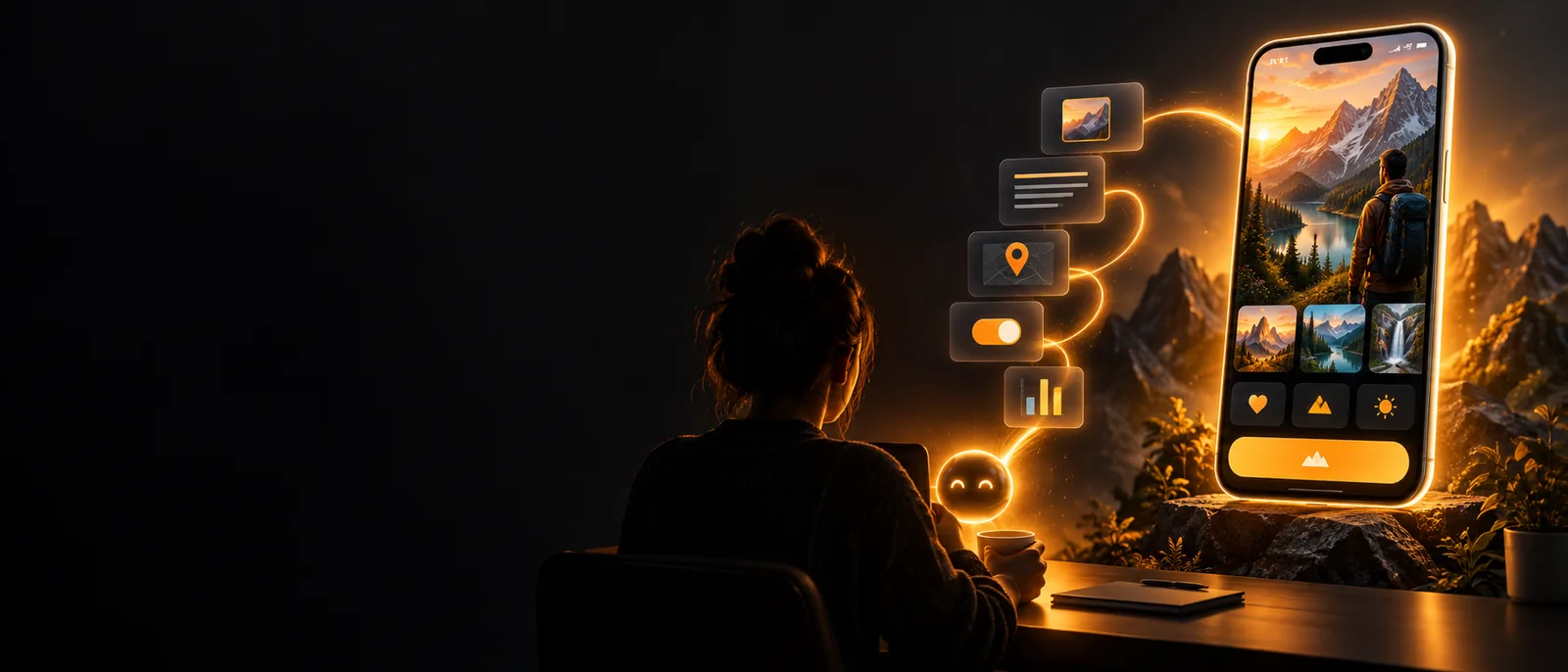
This entry point is most useful when you want a concrete product surface rather than an abstract technical discussion.
You have a useful idea but need screens, navigation, and a sensible first flow.
Rork turns the idea into a tangible app direction that is easier to inspect and refine.
rork app storeYou want to test layout, hierarchy, and interaction choices before a larger build.
You can compare a visible mobile experience instead of debating requirements in the abstract.
rork webYou need a focused internal tool such as a checklist, tracker, or field workflow.
A narrow brief becomes a practical product concept with fewer moving parts to explain.
rork backendYou want a clear front-end direction before discussing data and services.
The interface becomes a useful reference for the next backend conversation.
rork backendA good first request is specific enough to guide the build, but open enough to leave room for sensible implementation choices.
Name the person, the problem, and the action the app should make easier. Start with one primary job instead of a long feature wishlist.
Mention the key screens, the order users should see them, and any important states such as empty, complete, or unavailable.
Inspect the result, point out what feels wrong, and revise the brief in small passes. Keep changes tied to the original user outcome.
The important shift is not a promise of finished software; it is getting from a vague request to something you can inspect and improve.
 Before: broad idea
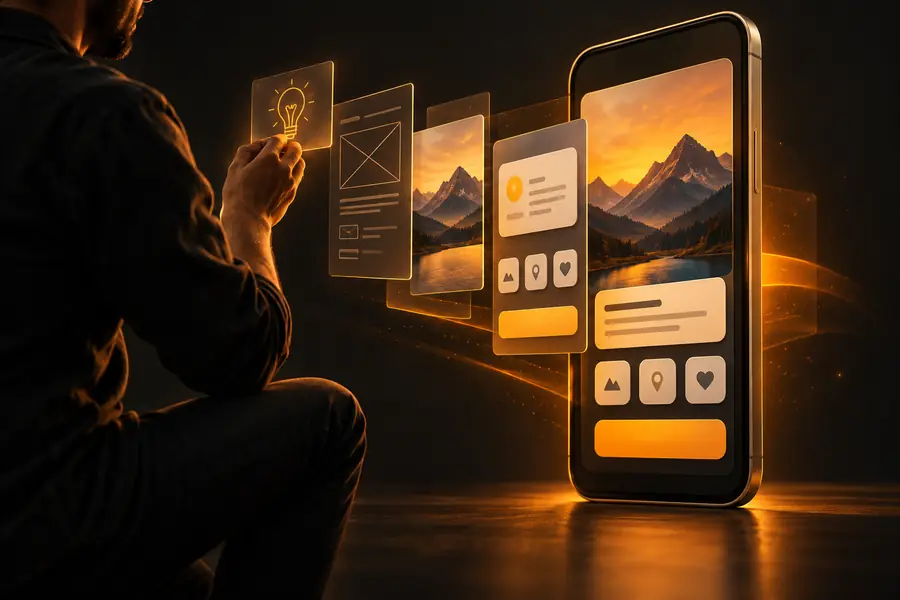 After: visible app direction
Treat these as the practical checkpoints for a focused app-building route, not as claims about guaranteed output.
The rork app builder is a useful starting surface, but it should not be mistaken for a complete replacement for product, engineering, or release work.
A generated interface does not decide who the app is for, which trade-offs matter, or what success means.
Workaround
Write the target user and primary outcome before asking for screens.
A convincing front end does not prove that authentication, data models, permissions, or integrations are ready for real use.
Workaround
Use the visible flow as input for a separate backend and technical review.
Device testing, accessibility checks, store requirements, and release preparation still need deliberate attention.
Workaround
Validate the experience on the intended devices before treating it as shippable.
Too many features in the first request make it harder to tell whether the core experience works.
Workaround
Start with one job and add secondary capabilities only after the main path is clear.
Choose the focused route when the thing you need to see is an app experience. Choose the general route when the problem is broader than the interface itself.
Primary focus
Rork app builder
Screens, navigation, and mobile interaction
General Rork route
A broader product request across multiple concerns
Best starting input
Rork app builder
One user, one outcome, and a first flow
General Rork route
A wider brief with technical or operational context
Useful first output
Rork app builder
A visible app direction to review
General Rork route
A broader implementation conversation
Technical depth
Rork app builder
Intentionally narrow at the beginning
General Rork route
More suitable when services and architecture lead
Ideal moment
Rork app builder
Early concept shaping and interface iteration
General Rork route
Planning work that already spans the product stack
Main risk
Rork app builder
Mistaking a promising surface for a finished app
General Rork route
Losing focus before the core user flow is clear
Next question
Rork app builder
Does this experience solve the first job well?
General Rork route
What systems and constraints must support it?
Bring a single user outcome, describe the essential flow, and use the result to decide what deserves deeper product and technical work next.
Build my appIt is used to turn a focused app idea into a visible product direction. The strongest starting point is a clear user outcome supported by a small set of screens and interactions.
Describe who the app serves, what they need to accomplish, and the first flow they should follow. Then review the result and refine one issue at a time instead of adding every possible feature.
No. This route emphasizes the app surface: screens, navigation, and interaction. A broader route is more appropriate when backend services, integrations, or wider technical planning lead the request.
It should be treated as a focused starting point rather than a complete release process. Production work may still require data architecture, device testing, accessibility review, security checks, and store preparation.